
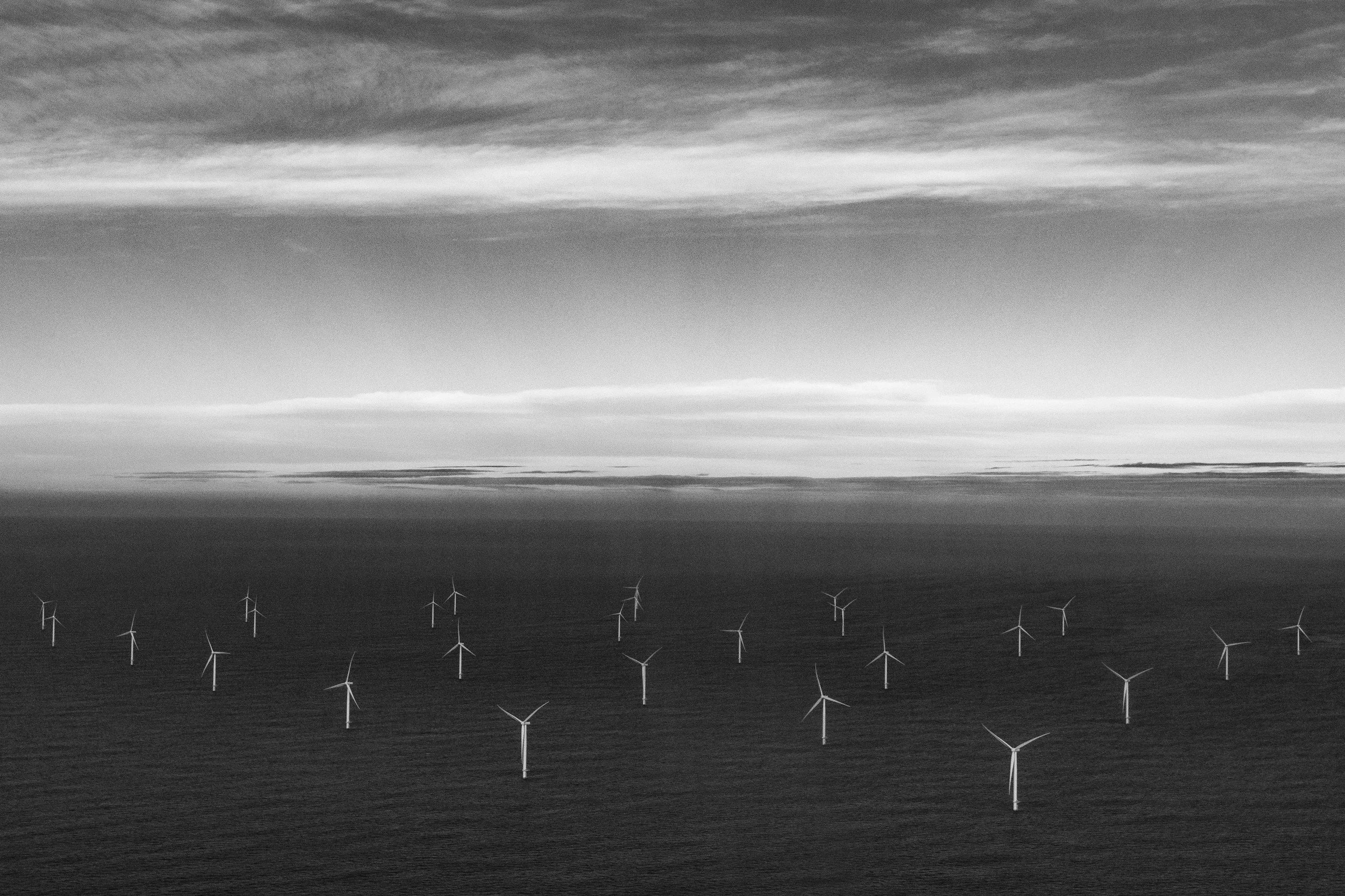

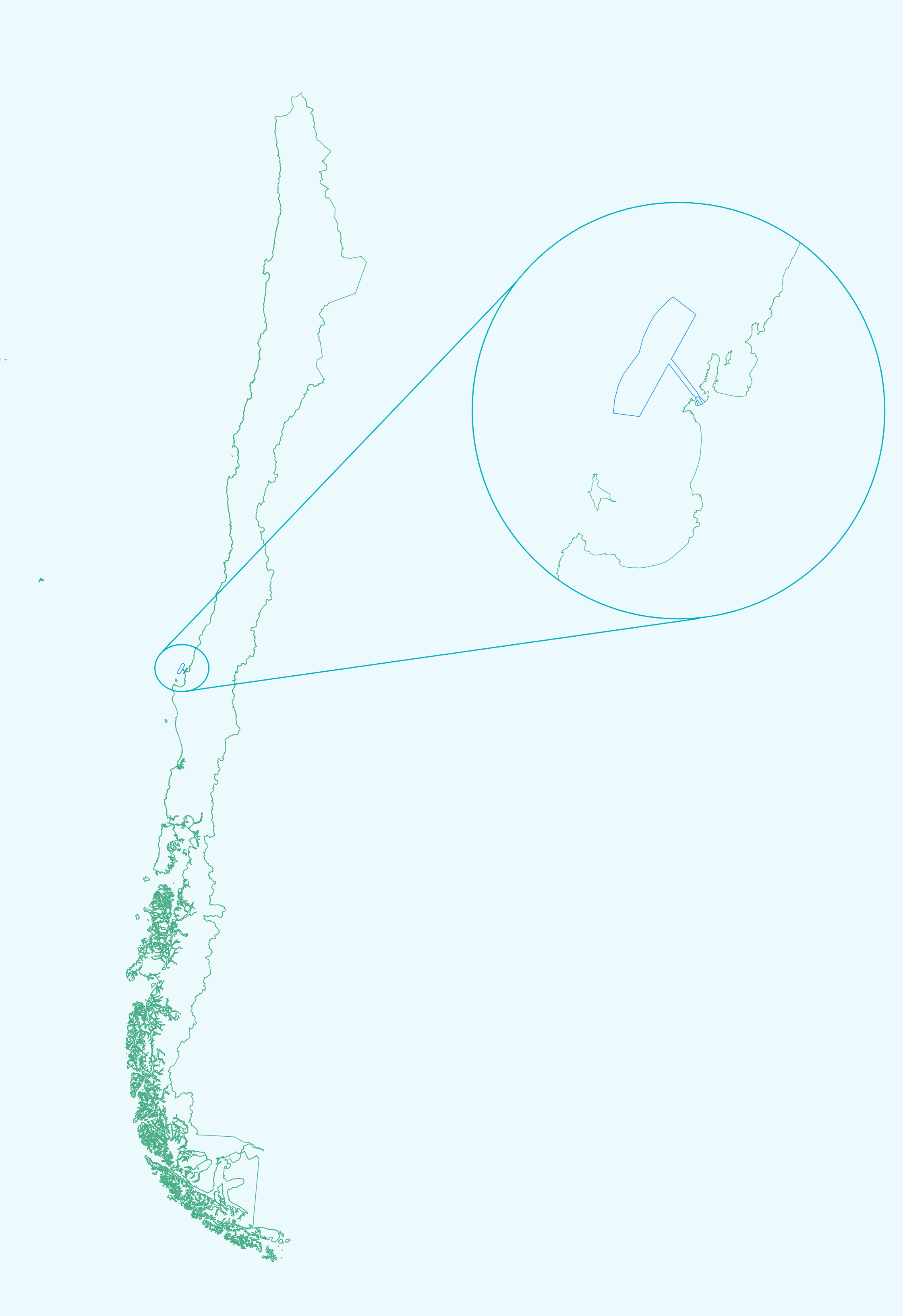
We are developing Viento Azul Biobio, a commercial scale floating offshore wind project in the central Biobio region of Chile, with our local partner SC POWER.
-
Commercial scale with a target power generation capacity of between 500MW to 1GW.
-
Viento Azul Biobío is technology agnostic. The water depth in the region are favourable for Floating Offshore Wind technology.
-
Viento Azul Biobío is a long-term project, targeting operation in the decade of 2030. It will take a minimum of 7 years to develop Viento Azul Biobío. The project will then be operational for 25-30 years with potential for life extensions.
-
Large scale and high-availability renewable energy. Viento Azul Biobío is an opportunity to decarbonise, diversify and strengthen the Chilean energy system.
-
Viento Azul Biobío is being developed by an experienced team, comprised of professionals from Chile, the UK (the worlds second largest offshore wind energy sector) and Europe.
-
Viento Azul Biobío is being developed with local stakeholders using best-in class-international social, environmental and technical standards and best practises, with key lessons learnt from mature international development projects.
-
Viento Azul Biobío is an opportunity for the future. The construction and operation of the project has potential to create a substantial number of jobs in the Biobío region and Chile. Viento Azul Biobío is also an enabler for other decarbonisation technologies, such as hydrogen and sustainable fuels, in Chile.
Chile’s electricity system and the case for offshore wind
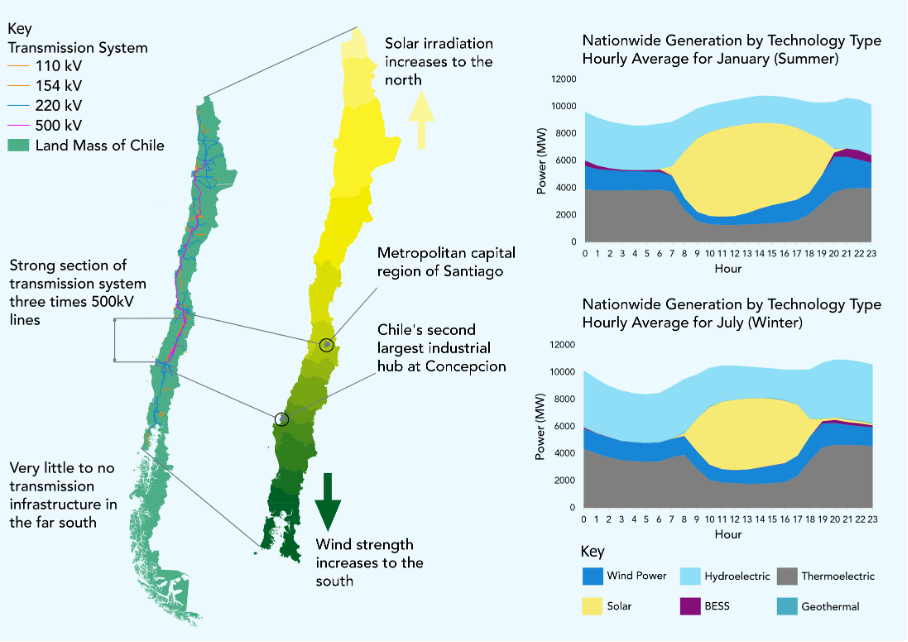
Chile’s geography supports strong solar in the north and stronger wind in the south, with renewables targeted to reach 70% by 2030 and carbon neutrality by 2050.
Nighttime demand is currently met by fossil fuels and hydro, but offshore wind offers large‑scale, reliable, and strategically located generation to replace coal and complement solar and storage.
Concepción’s decommissioned coal plants and existing transmission infrastructure make it a prime hub for offshore wind, aligning with national decarbonisation goals and industrial growth.
Political consensus on renewable energy
Chile’s Energy Policy 2050 and Climate Change Law commit to carbon neutrality by 2050, with 70% renewables by 2030 and coal phased out by 2040.
Broad political and public consensus supports renewable energy expansion, ensuring continuity across different governments.
This stable, long‑term framework makes Chile an attractive destination for renewable energy investment and global leadership.
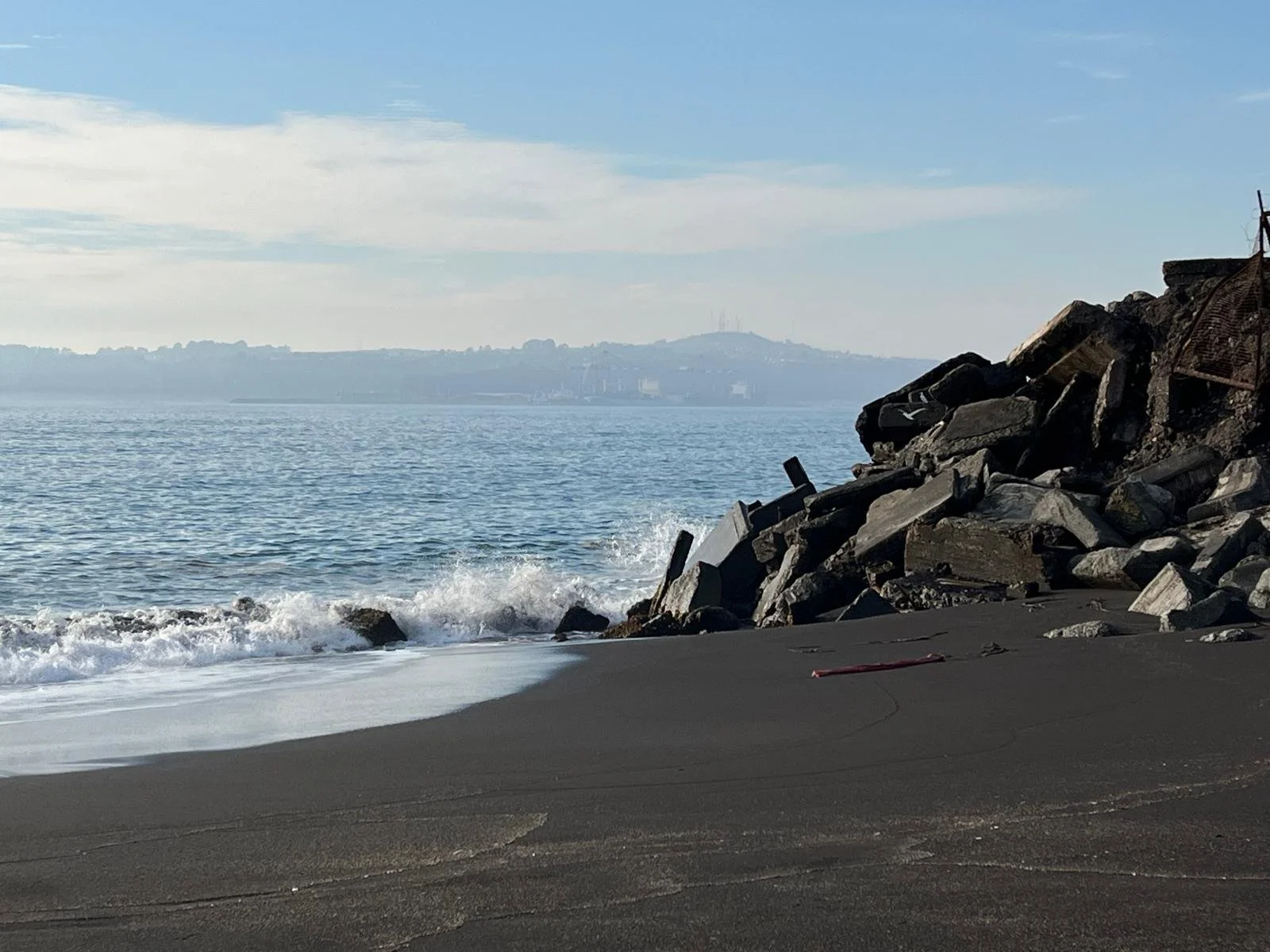
Geography and dependence on the ocean
Chile’s geography spans over 4000km, bordered by the Andes to the east and the Pacific Ocean to the west.
The ocean is central to Chile’s economy and culture, with 95% of foreign trade transported by sea.
Geography, political backing, and electricity infrastructure together make offshore wind a compelling energy opportunity for Chile
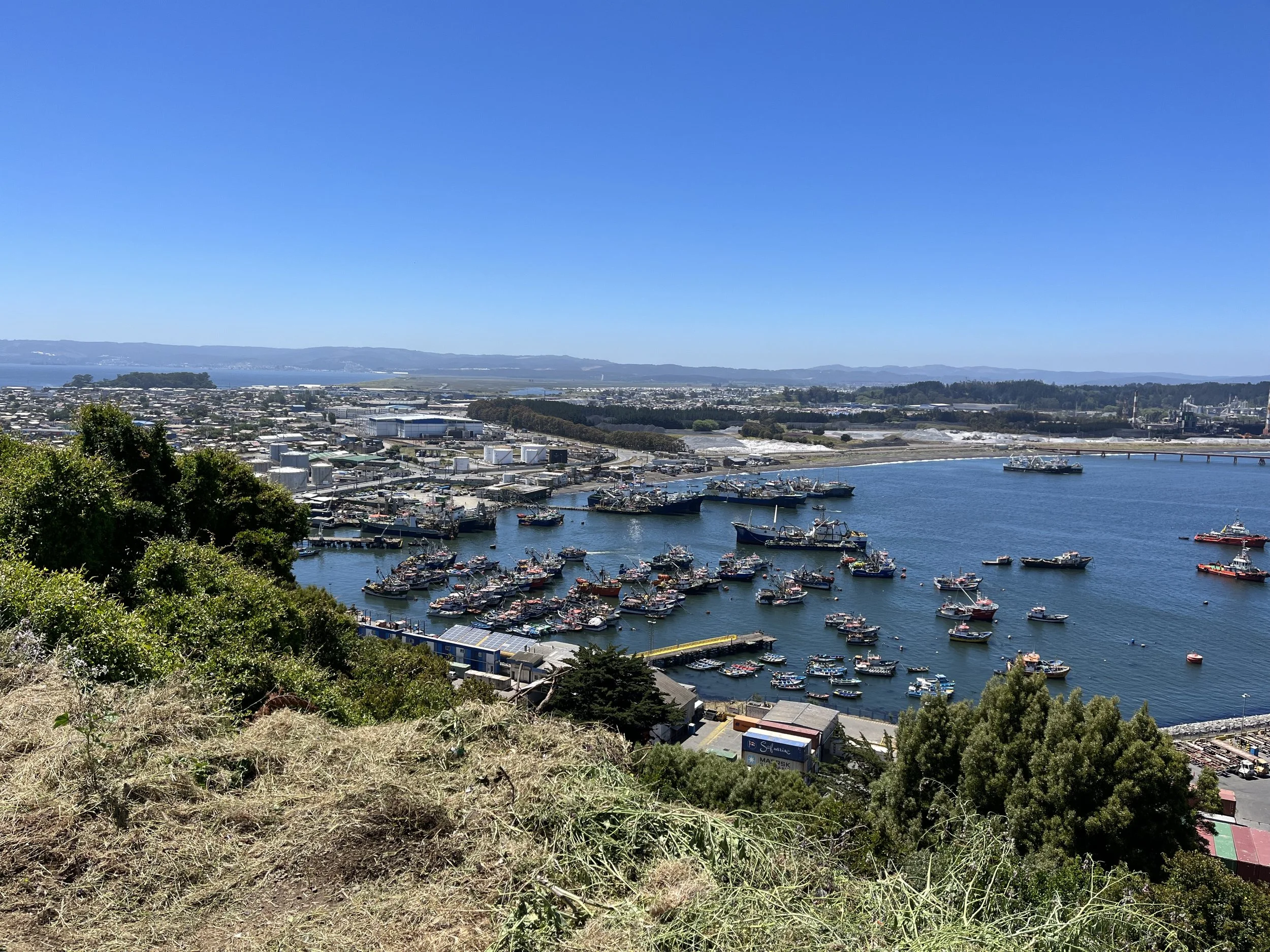
The case for offshore wind versus onshore wind
Offshore wind complements solar by providing reliable night‑time generation and offers greater scale and stability than onshore wind.
Chile’s coastal geography enables offshore wind projects near demand centres and decommissioned coal plants, reusing existing grid infrastructure.
Offshore wind supports economic transition, creating skilled jobs and industrial regeneration in communities affected by coal plant closures
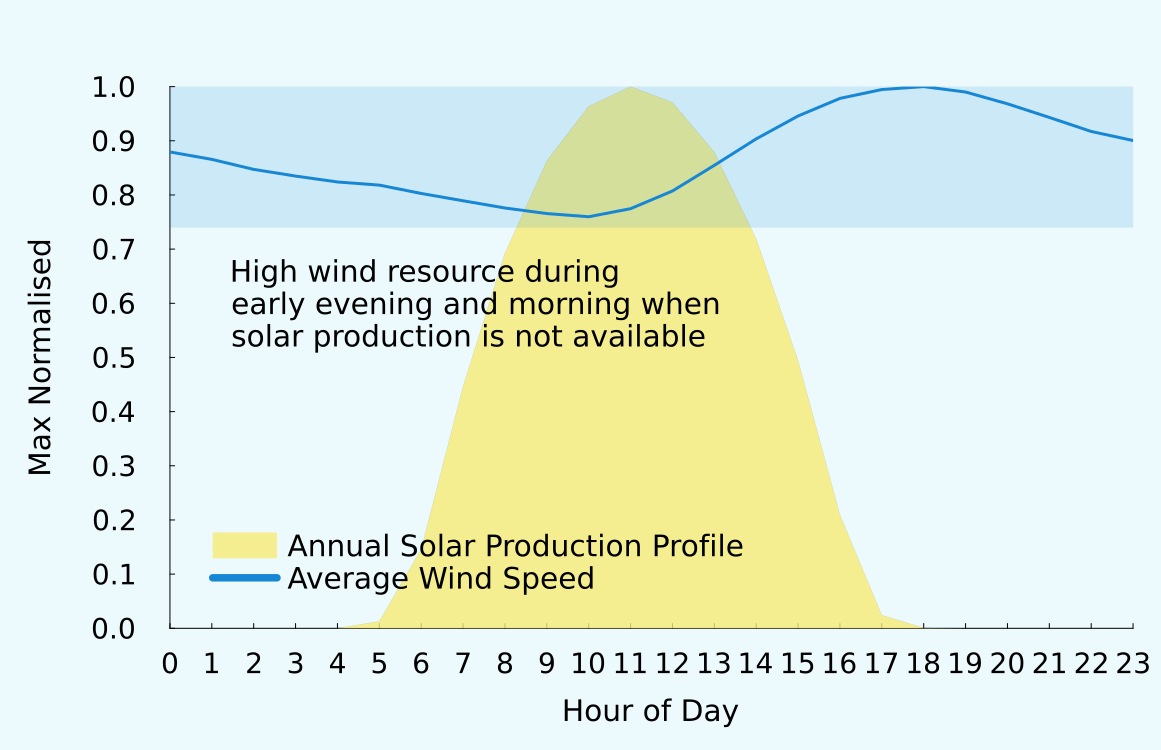
Complementary profile to Chile's solar power generation and electricity demand
Offshore wind provides stable, near‑baseload electricity over 24 hours, unlike solar or onshore wind.
At Viento Azul Biobio, offshore wind peaks in the evening, complementing declining solar output.
Offshore wind generation aligns with Chile’s typical peak demand hours